
The Embodied No
Say No Without the Guilt Spiral
A somatic mini-course for adults raised by emotionally immature parents. Learn to stay steady when you set a boundary, and let people be disappointed without abandoning yourself.
START THE EMBODIED NO
25+ years
of clinical practice
1,000+
individuals, couples, and families supported
10 group cohorts
for adult children of personality-disordered parents
Nearly 100
group members from 2018 to 2023
You know you're allowed to say no.
So why does it feel so bad?
You've done the reading. You know boundaries are healthy. You may have even practiced the words. But when someone pushes, something takes over.
Maybe you give in, then spend days regretting it and quietly resenting them. Maybe you finally say no, and immediately think, "I shouldn't have done that. Now I'm in trouble." Or maybe you say no to everything, just to feel safe, and miss out on things you actually want.
If you grew up with emotionally immature parents, this makes sense. Saying no once came with real consequences, like punishment, withdrawal, or being left on your own. Your body learned that "no" was dangerous, and it still remembers.
Most boundary advice focuses on what to say. The people who actually change learn to work with what happens in their body when they say it.
That's the difference between:
The good news? Your nervous system can learn a new response. And you can teach it.
When you learn to notice what happens in your body when you set a boundary, you can finally say no, work through the guilt and anxiety that follow, and let someone be disappointed without automatically abandoning yourself.
That's exactly what this course is designed to help you do.
Introducing
The Embodied No
A Somatic Method to Say No Without Guilt and Let Them Be Disappointed
There are countless books and reels about boundaries. Most treat them as a behavior to practice or a wall to build. The Embodied No works where the fear actually lives: in your nervous system.
You'll also discover that a boundary is more than a wall. It's the space you take up as a person.
And when that space feels like yours, you get to choose who you keep out and who you invite in.
Inside this course, you'll learn a step-by-step process for saying no and staying steady afterward, without the guilt spiral or the resentment of giving in.
Through guided video and audio lessons, somatic exercises, and a downloadable SOS card, you'll learn how to:
- Notice the signals in your body that tell you a boundary is needed, before you've said yes out of habit
- Claim your personal space, physically and energetically
- Calm your nervous system so that saying no stops feeling dangerous
What You'll Be Able to Do After This Course
By learning to work with your body's response to boundaries, you will:
Say no without the guilt spiral
You'll have tools to settle your body after a boundary, so a single "no" doesn't cost you days of anxiety and self-blame.
Let people be disappointed
You'll be able to tolerate someone's disappointment without rushing to fix it, take it back, or abandon what you need.
Choose who you let in
You'll feel at home in your own space, so boundaries become a way to invite the right people closer, not only a way to keep others out.
What Clients Say About Working With Inga
"By being more aware of my body I now stay rather than flee my emotions."
— Hillary K.
"I feel less crazy! I love to blame myself for everything… It's not our fault that we have developed some of the negative traits that come with being a child of a parent with emotional immaturity."
— Rachel Q.
"Inga has helped me learn about myself and my anxiety, be in tune with what is going on in my body, and has given me a toolbox of techniques I can use to manage my anxiety and daily life stressors."
— Brandy L.
"Her psychosomatic approach… helped me approach and work through deep childhood traumas I wouldn't dare touch on in other types of therapy because it wasn't necessary for me to have to retell that story… every single time I left I felt like something in me shifted."
— Sahala H.
"I can clearly hear you in my head saying – be kind and gentle to yourself – that has helped me so much just to calm down."
— Alana N.
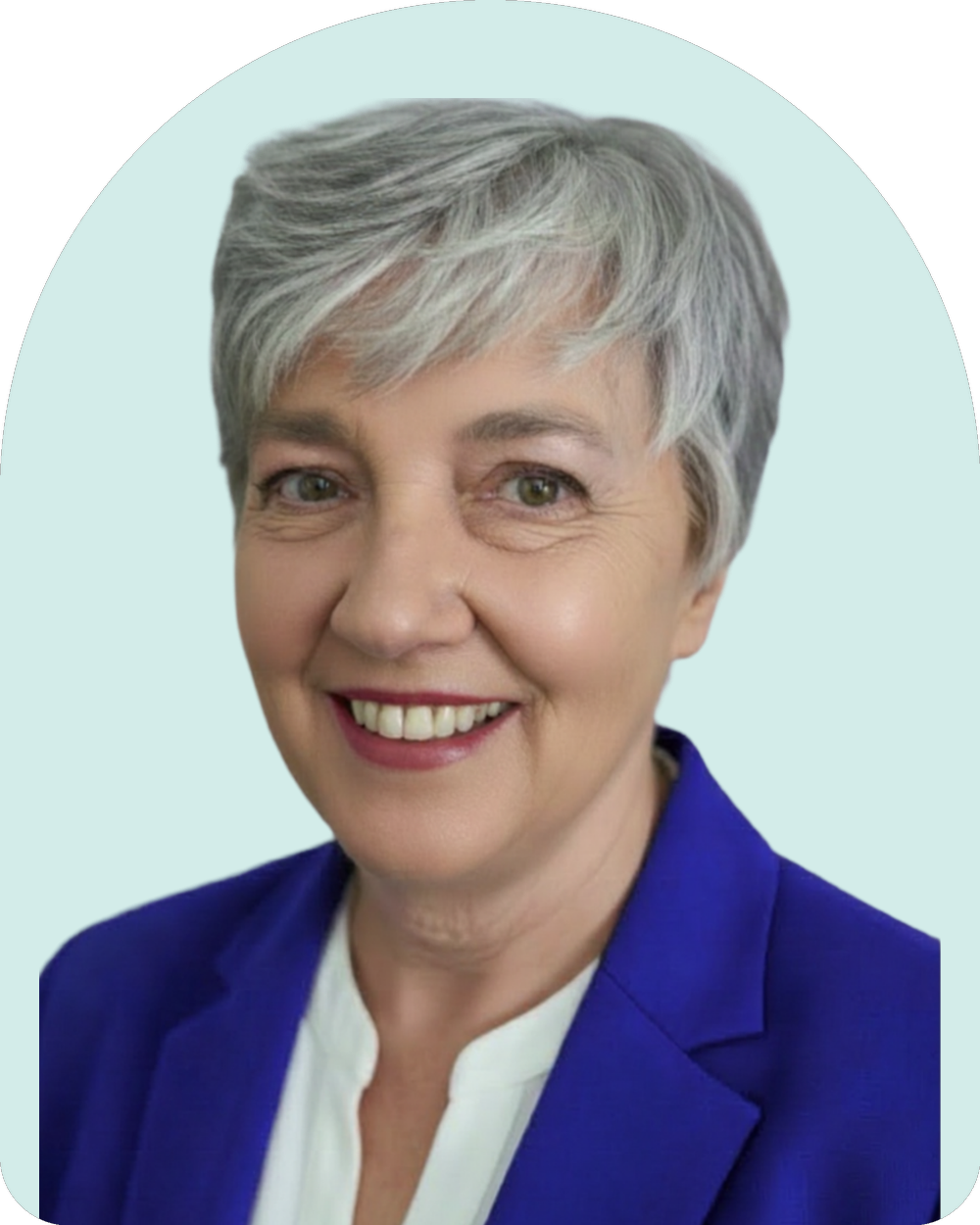
Who Is Inga Larson?
If saying no makes your heart pound, I understand. I learned that response early.
I was raised by an emotionally immature mother who expected me to take care of her and a personality-disordered father. My father was a psychiatrist: brilliant, intellectual, and emotionally out of reach. Our home was full of ideas and short on safety. By 20, I was anxious, ashamed, and always trying to figure out what I'd done wrong.
Healing didn't come from thinking my way out. It came through groups, emotionally healthy mentors, and slowly learning to feel safe in my own body. I didn't need to become a different person. I needed to teach my nervous system a new way to respond.
That became my life's work. I facilitated support groups for Parents Anonymous, earned my master's in social work, and spent more than 25 years as a licensed clinical social worker in private practice specializing in complex PTSD. I've worked with more than a thousand individuals, couples, and families. I've also led 10 rounds of my group for adult children of personality-disordered parents.
The Embodied No brings the somatic tools I've used with clients for decades into a short course you can start today. It's not just 25 years of clinical work. It's a lifetime of it.
What's Inside The Embodied No?
This course goes in depth on what happens in your body when you set a boundary. It has four modules of guided lessons and somatic exercises. You'll learn the essentials of saying no and staying steady afterward, including:
-
Module 1
Why "No" Can Feel Dangerous
Understand why knowing you're allowed to say no isn't enough, and how your body reacts before your mouth does.
-
Module 2
Experience the Boundary
Find your embodied no through exercises that help you claim your space. Then learn what to do when you've said no and feel terrible.
-
Module 3
The Part That's Actually Missing
Practice letting others be disappointed without rushing to fix it. Then learn how to decide whether to hold a boundary, reconsider it, or repair the relationship.
-
Module 4
Regulate First: Tools to Use Anytime
Four short practices you can return to whenever you need them: getting grounded, finding your resources, the "toe dip," and adding movement to release activation and numbness.
-
Closing
Graduation
A closing message to help you carry your embodied no into daily life.
Plus
The Boundary SOS Card
A downloadable quick reference for the moments right after you say no, when you're flooded and beating yourself up. It guides you back to calmer waters.
Pricing
The Embodied No
$97
One-time payment
- Four modules of guided lessons and somatic exercises
- Regulate First toolkit: four practices to use anytime
- The Boundary SOS Card Download
- Lifetime access
Reassurance & Frequently Asked Questions
I've already read a lot about boundaries. How is this different?
Most boundary content teaches you what to say. This course works with what happens in your body when you say it. Your nervous system is often the reason good advice doesn't stick.
Do I need experience with somatic work?
No. Every exercise is guided, and you can access simple regulation practices anytime while you work with boundaries directly.
Is this only about saying no to my parents?
No. The patterns often start with emotionally immature parents, but they show up everywhere: with partners, friends, coworkers, and bosses. You don't have to confront anyone to take this course.
What if the exercises bring up big feelings?
You'll go at your own pace. The Regulate First practices and the Boundary SOS Card are there for exactly those moments, so you can settle back into calmer waters. You can share your reactions in each lesson and I’ll respond personally within 24 hours. You can also use the exercises in the “regulate” module to soothe your system.
How long does it take?
This course contains 12 lessons and 4 modules. Lessons are approximately 10 minutes in length maximum. Since this program is self-paced and evergreen, you can work through it at whatever pace works best for you.
Is this therapy?
This is an educational course created by a qualified coach with 25 years of clinical experience,not a substitute for therapy or mental health treatment. If you're in crisis, please reach out to a licensed professional or local emergency services.